

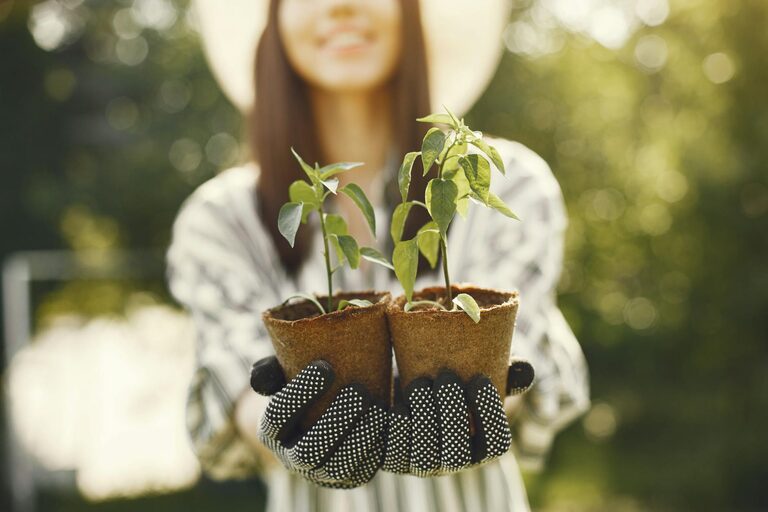
Creating a sustainable home garden is a rewarding way to grow your own food, support local wildlife, and reduce your environmental footprint. The good news is that you don’t need a large budget or expert skills to start. With some planning and smart choices, anyone can develop a thriving garden that respects nature and saves money.
Why Choose a Sustainable Garden?
Sustainable gardening focuses on methods that are environmentally friendly, resource-efficient, and long-lasting. It means using natural processes, reducing waste, conserving water, and avoiding harmful chemicals. Beyond being good for the planet, sustainable gardens tend to be healthier and more resilient.
—
Getting Started: Planning Your Garden on a Budget
Before planting, take some time to plan your garden carefully. Thoughtful planning can save money and effort in the long run.
Assess Your Space and Light
– Measure your available area – Even small spaces like balconies or windowsills can work.
– Observe sunlight patterns – Most edible plants need 6-8 hours of direct sun.
– Consider soil quality – Test your soil or decide if you’ll use raised beds or containers.
Choose Plants Wisely
– Pick plants suited for your climate and soil. Local or native plants often require less water and care.
– Start with easy-to-grow vegetables like lettuce, radishes, or herbs.
– Include perennials (plants that come back every year), which reduce the need for replanting.
—
Budget-Friendly Sustainable Gardening Tips
1. Use Seeds Instead of Seedlings
Seeds are much cheaper than buying starter plants. Starting seeds indoors with simple containers (egg cartons, yogurt cups) can save money and allow you to grow a wider variety of plants.
2. Reuse and Recycle Materials
– Use old containers, jars, or pallets for pots and garden structures.
– Collect rainwater in barrels to reduce your water bills.
– Compost kitchen scraps and garden waste to enrich your soil naturally.
3. Build Raised Beds With Affordable Materials
Raised beds improve drainage and soil quality. Use reclaimed wood or bricks from leftover projects. Even upcycled materials can work well for framing.
4. Mulch to Conserve Water
Mulch keeps soil moist, suppresses weeds, and adds organic matter. Use straw, grass clippings, shredded leaves, or cardboard as mulch.
5. Attract Beneficial Insects Naturally
Plant flowers like marigolds or nasturtiums to invite pollinators and predatory insects that help control pests. Avoid chemical pesticides to protect these helpers.
6. Practice Crop Rotation and Companion Planting
Rotating crops each season helps maintain soil health and reduce pests. Companion planting means growing plants together that support each other, like tomatoes with basil.
7. Use Natural Pest Control Methods
If pests become a problem, try homemade solutions like garlic spray or neem oil. Hand-picking insects or using barriers can also help without chemicals.
—
Maintaining Your Sustainable Garden Over Time
Water Wisely
Water your plants early in the morning or late in the evening to minimize evaporation. Drip irrigation or soaker hoses deliver water efficiently.
Regularly Check Your Soil
Healthy soil is alive with microorganisms. Add compost or natural fertilizers annually to keep it fertile.
Harvest and Store Your Produce Properly
Pick fruits and vegetables at the right time to enjoy the best taste and nutrition. Learn simple preservation methods such as freezing, drying, or pickling to reduce waste.
—
Final Thoughts
Building a sustainable home garden on a budget is not only doable but also an enjoyable process that connects you with nature. Start small, be patient, and experiment to find what works best for your space and lifestyle. Over time, your garden can provide fresh food, beauty, and a sense of accomplishment — all while respecting the planet.
Happy gardening!