

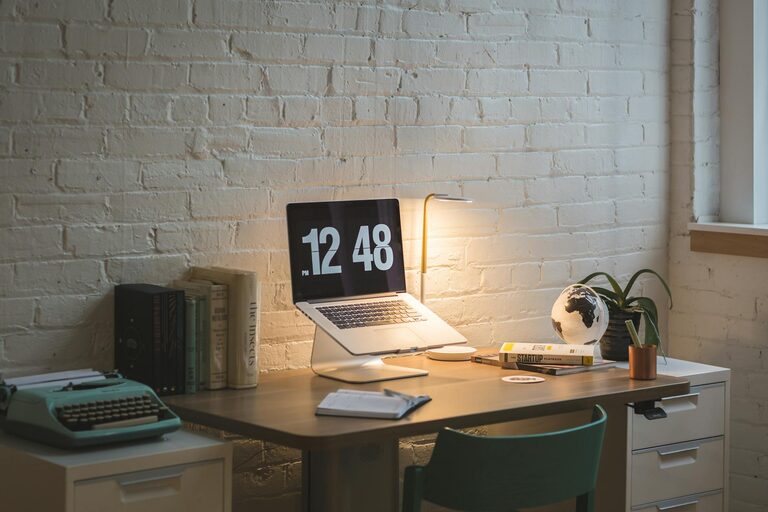
Creating a well-organized home office is crucial for maintaining focus, boosting productivity, and ensuring comfort, especially as many people continue to work remotely. A clutter-free, thoughtfully arranged workspace can reduce stress and make your daily tasks more enjoyable. This guide offers practical tips to help you organize your home office effectively.
Why Organizing Your Home Office Matters
A tidy and well-arranged home office does more than just look good. It supports better concentration by minimizing distractions, helps manage time efficiently by keeping essentials within reach, and promotes a healthier posture and mental well-being.
Assess Your Space: Start With a Plan
Before you start rearranging or buying new furniture, take a moment to assess your current space:
– Evaluate your needs: Consider the type of work you do and what tools are essential.
– Measure your area: Know the exact dimensions to plan furniture placement.
– Identify clutter hotspots: Find items that frequently cause mess or pile-ups.
Having a clear understanding of your requirements ensures any changes you make will be meaningful and practical.
Choose the Right Desk and Chair
The desk and chair are the foundation of your home office. Prioritize comfort and ergonomics to prevent strain and fatigue.
– Ergonomic chair: Invest in a chair with adjustable height, lumbar support, and comfortable cushioning.
– Desk size: Select a desk that fits your room and provides enough space for your computer, documents, and other essentials.
– Standing options: Consider a sit-stand desk to vary your posture during the day.
Proper seating and desk height will help you stay comfortable for longer, which directly benefits productivity.
Declutter and Streamline Your Workspace
Clutter can hinder focus. Use these strategies to keep your desk clear:
– Regular tidying: Spend a few minutes at the end of each day organizing your desk.
– Use organizers: Drawer dividers, pen holders, and cable management tools can keep small items neat.
– Limit personal items: While a few personal touches add warmth, too many can create distractions.
Keep only what you need on your desk and store the rest out of sight to maintain a clean, efficient space.
Optimize Lighting for Comfort and Focus
Good lighting helps reduce eye strain and maintains alertness:
– Natural light: Position your desk near a window if possible. Natural light boosts mood and energy.
– Task lighting: Use adjustable desk lamps to illuminate work areas without glare.
– Avoid screen glare: Arrange your monitor perpendicular to windows to prevent reflections.
Proper lighting also contributes to the overall ambiance, making your workspace inviting.
Organize Digital and Paperwork Efficiently
Managing both physical and digital documents is essential:
– Filing systems: Use labeled folders, cabinets, or binders to sort paperwork by category or urgency.
– Digital organization: Regularly back up files and use cloud storage to access documents anytime.
– Reduce paper: Go paperless where possible to decrease clutter.
Keeping documents ordered reduces time spent searching and keeps your workflow smooth.
Personalize Your Space Wisely
Adding personality to your office can enhance comfort without distracting you:
– Plants: Small indoor plants improve air quality and add a peaceful vibe.
– Inspirational items: Photos or quotes that motivate can boost mood.
– Color accents: Use colors that inspire calm and concentration like blues and greens.
Balance personalization with functionality to maintain a professional atmosphere.
Maintain Good Habits for Long-Term Organization
Organizing your office is not a one-time task. Develop habits to keep your space productive:
– Weekly review: Pick a regular day to reorganize and reassess your setup.
– Discard regularly: Remove items you no longer use.
– Prioritize tasks: Use to-do lists or planners to manage your day efficiently.
Consistent effort ensures your home office remains a supportive environment.
Conclusion
A well-organized home office supports both productivity and comfort by creating an environment tailored to your needs. By assessing your space, selecting ergonomic furniture, decluttering, improving lighting, managing documents, adding mindful personalization, and maintaining good habits, you can transform your workspace into a place where you can work effectively and feel at ease.
Try these strategies step by step, and enjoy the positive impact on your workday routine!