

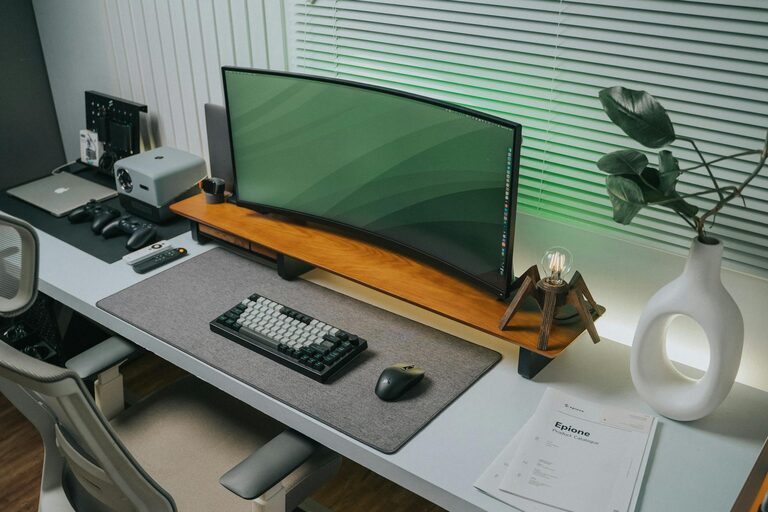
A tidy and well-organized workspace can dramatically improve your productivity and overall work experience. Clutter not only distracts you but can also increase stress and reduce your ability to focus. Whether you work from home or in an office, creating a clutter-free environment is essential for staying efficient and motivated.
In this post, we will explore practical tips to organize your workspace effectively. From decluttering strategies to recommended tools and habits, you’ll find methods to create a clean, inspiring work area that boosts your productivity.
Why a Clutter-Free Workspace Matters
Before diving into organization tips, it’s important to understand why clutter affects your productivity. When your desk is messy, your mind might feel overwhelmed too. Visual chaos can lead to slower decision-making, misplaced items, and difficulty concentrating on tasks.
An organized workspace promotes:
– Clear thinking: Less visual distraction means your brain can focus on the task at hand.
– Efficiency: You save time looking for documents, tools, or devices.
– Stress reduction: Clean spaces feel calming and help you stay relaxed while working.
– Professional appearance: Whether for video calls or in-person meetings, a tidy desk reflects professionalism.
Steps to Create a Clutter-Free Workspace
1. Start with Decluttering
The first step to an organized workspace is to remove unnecessary items. Use the “keep, toss, or relocate” method:
– Keep: Items you use daily or frequently.
– Toss: Broken, outdated, or useless objects.
– Relocate: Items that belong elsewhere, such as books, files, or decor.
Clear your desk completely and only return essentials. This reset helps you see what you really need and give your space a fresh start.
2. Limit Items on Your Desk
Keep only the essentials within immediate reach. Common recommended items include:
– Computer or laptop
– Keyboard and mouse
– Notebook or planner
– A pen or pencil holder
– Phone (if needed for work)
Avoid piling papers or extra gadgets on your desk. Use shelves or drawers for items you don’t use every day.
3. Use Smart Storage Solutions
Investing in good storage helps manage clutter effectively:
– Desk organizers: Trays, pen cups, or file holders keep items tidy and accessible.
– Drawers with dividers: Separate office supplies like paper clips, sticky notes, and chargers.
– Shelving units: Use vertical space for books, binders, or decorative items.
– Cable management: Use clips, ties, or channels to keep cords neat and prevent tangles.
4. Digitize Where Possible
Paper clutter is a common issue. To reduce it:
– Scan documents and save digital copies.
– Use cloud storage for easy access and backup.
– Maintain a digital calendar and to-do list to minimize sticky notes.
This decreases the amount of physical paper you must manage and keeps your desk free from piles.
5. Establish Daily and Weekly Cleaning Habits
Organization is not a one-time task — maintaining a clutter-free workspace requires routines:
– Spend 5 minutes at the end of each day to straighten your area.
– At the end of the week, perform a deeper clean: file paperwork, dust surfaces, and organize drawers.
– Regularly reassess your workspace to remove items you no longer need.
6. Personalize with Care
A workspace should inspire you, but too many personal items can lead to clutter. Choose a few meaningful items like:
– A small plant for freshness
– A photo frame or motivational quote
– A minimal desk accessory
These add character without overwhelming the area.
Tips for Staying Organized Long-Term
– Set clear zones: Define specific areas for work, reference materials, and supplies.
– Use labels: Clearly mark files, drawers, and containers.
– Avoid multitasking clutter: Finish tasks and clear associated materials before starting new ones.
– Review monthly: Assess what’s working and adjust your setup accordingly.
Conclusion
Organizing a clutter-free workspace doesn’t have to be overwhelming. By decluttering, limiting desk items, using smart storage, digitizing documents, and adopting regular cleaning habits, you can create an environment that supports your best work. A tidy workspace promotes focus, reduces stress, and increases efficiency — all essential ingredients for productivity. Start small, stay consistent, and enjoy the benefits of a well-organized office space.